“God’s Word for God’s World”
A Reflective Report of the Triennial Council 2026–2029
of the Bible Society of India from 19 to 20 February 2026
at Hotel Grand Magrath, Bangalore


The Triennial Council of the Bible Society of India (BSI) for the period 2026–2029 was convened on 19th and 20th February 2026 in an atmosphere of thanksgiving and commitment under the inspiring theme “God’s Word for God’s World”. Our theme affirms that Scripture is God’s living revelation, given not for a select few but for all creation. As 2 Timothy 3:16 reminds us, all Scripture is God-breathed, and in John 1:14 we see the Word becoming flesh in Jesus Christ. The Bible, therefore, is both divine truth and incarnational mission.
In the Indian context, marked by religious diversity, many languages, and deep spiritual longing – God’s Word brings light, hope, and transformation. It speaks across cultures, renews hearts, and builds communities of justice and peace (Isaiah 55:11). For the Bible Society of India, this theme defines our calling – to faithfully translate, publish, and make the Scripture accessible to every language and community. Since “the earth is the Lord’s” (Psalm 24:1), we serve with the conviction that God’s Word is meant for all God’s people – transforming lives and glorifying God in God’s world.
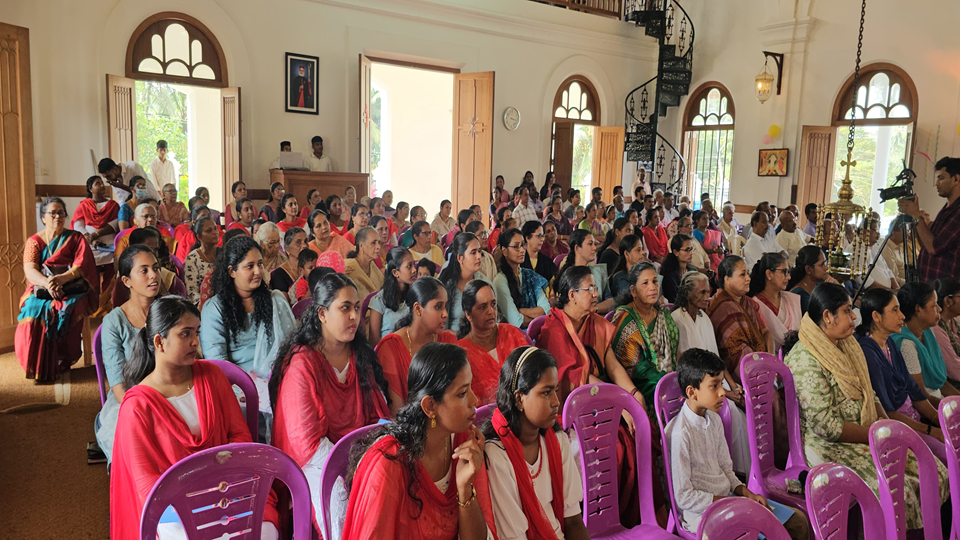
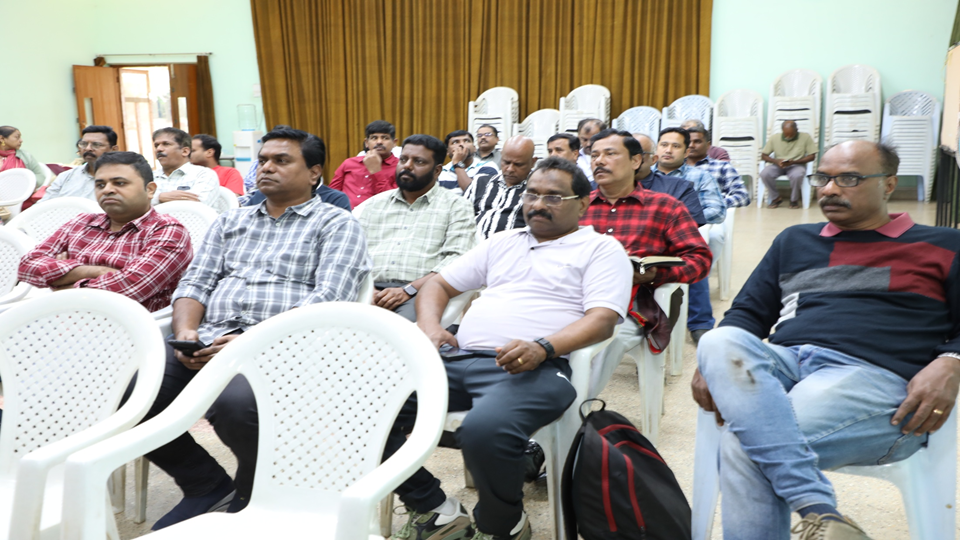
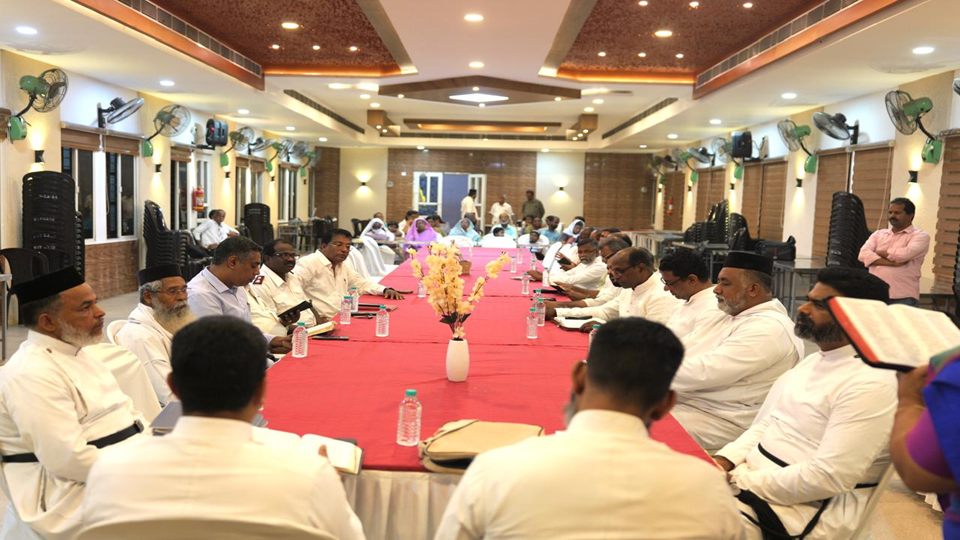
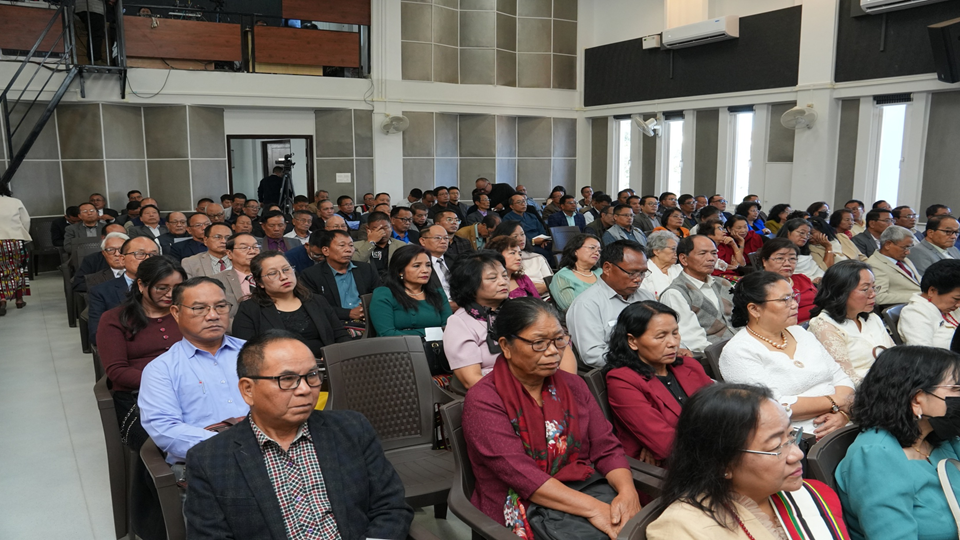
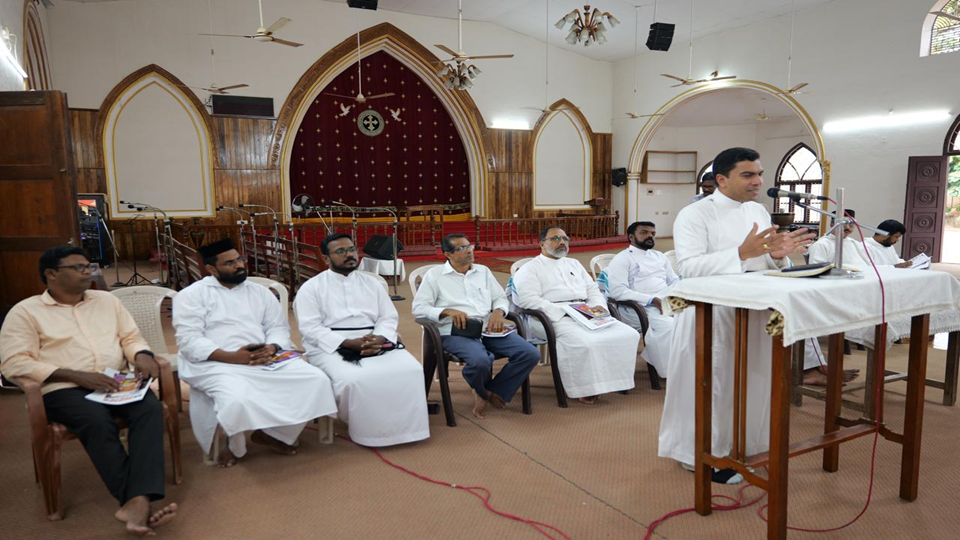
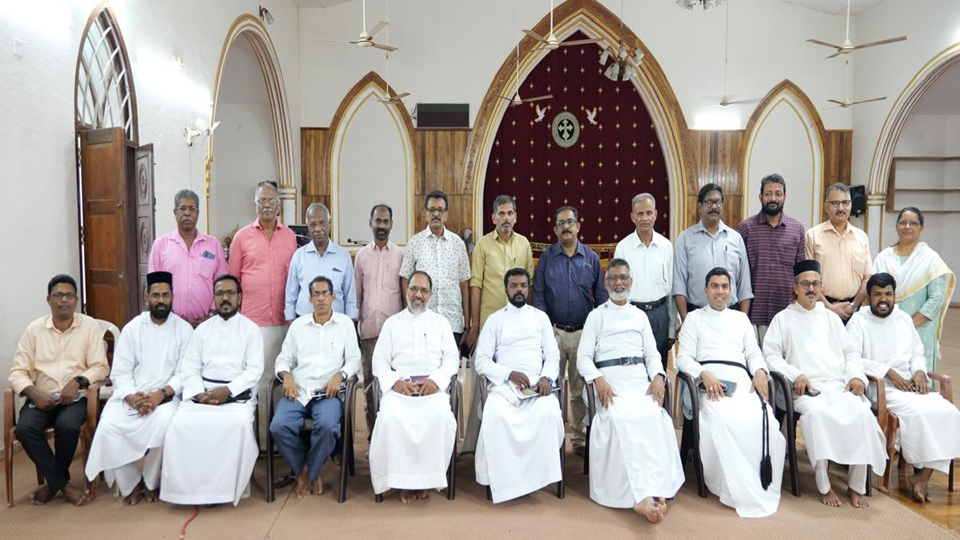
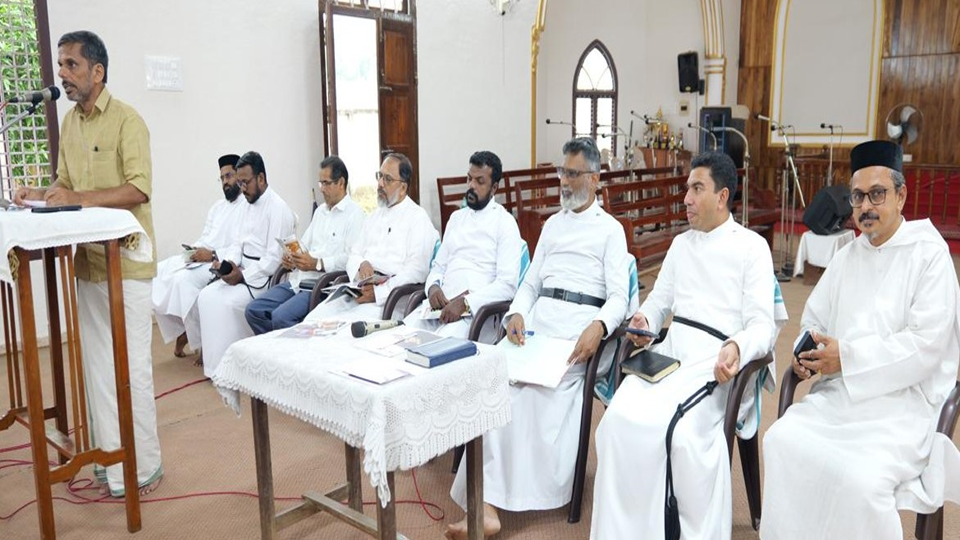
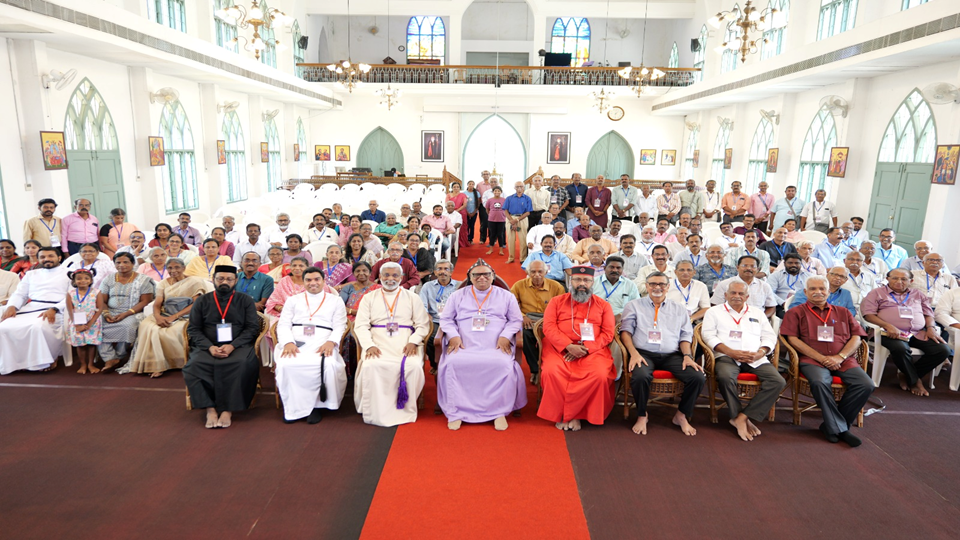
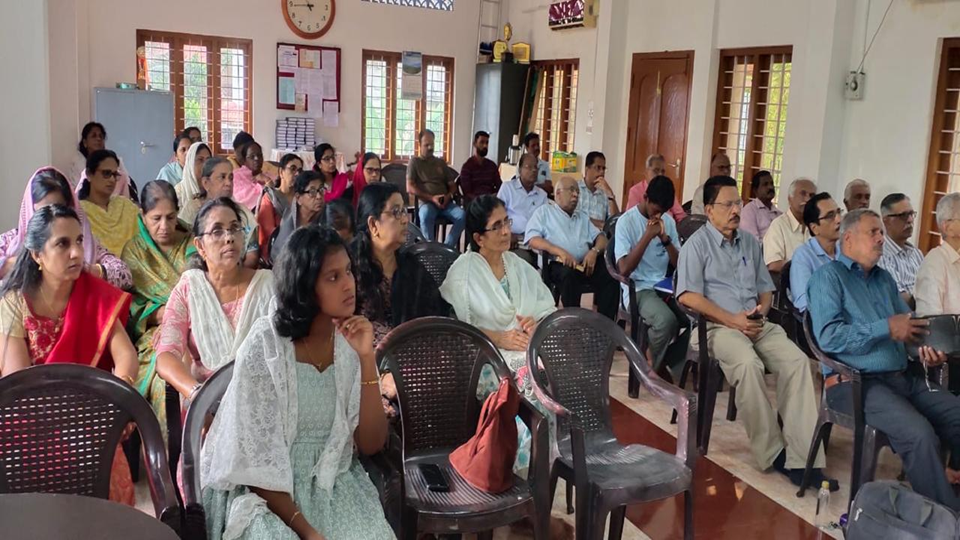
Participation and Proceedings: The attendance of Council Members was highly encouraging, reflecting their deep commitment to the mission and ministry of the Bible Society of India. The Council proceedings were conducted smoothly and efficiently, marked by meaningful deliberations, unity of spirit, and clarity of purpose.
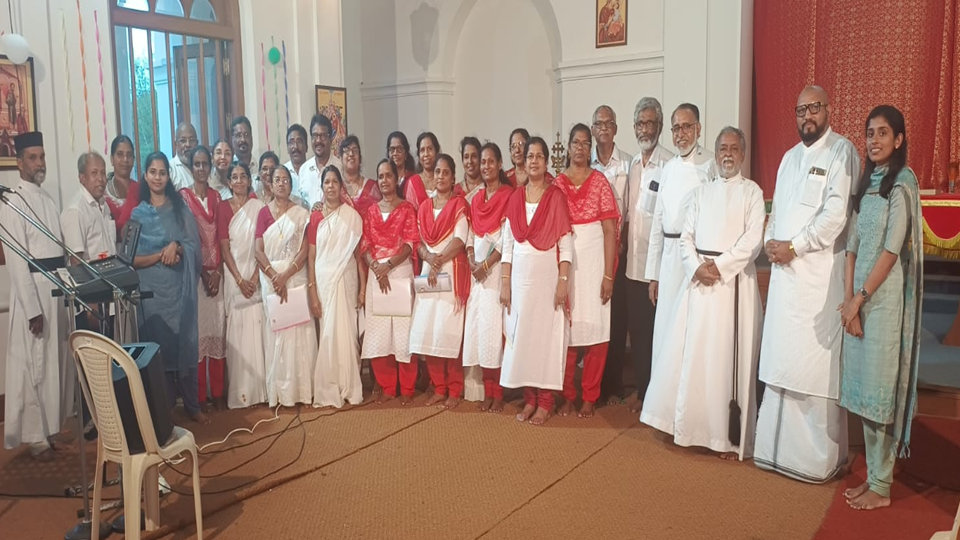
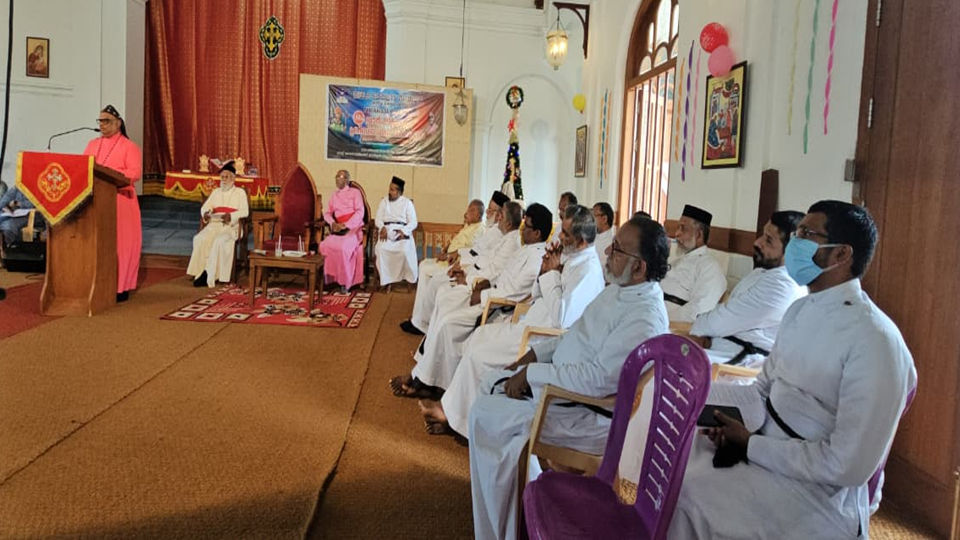
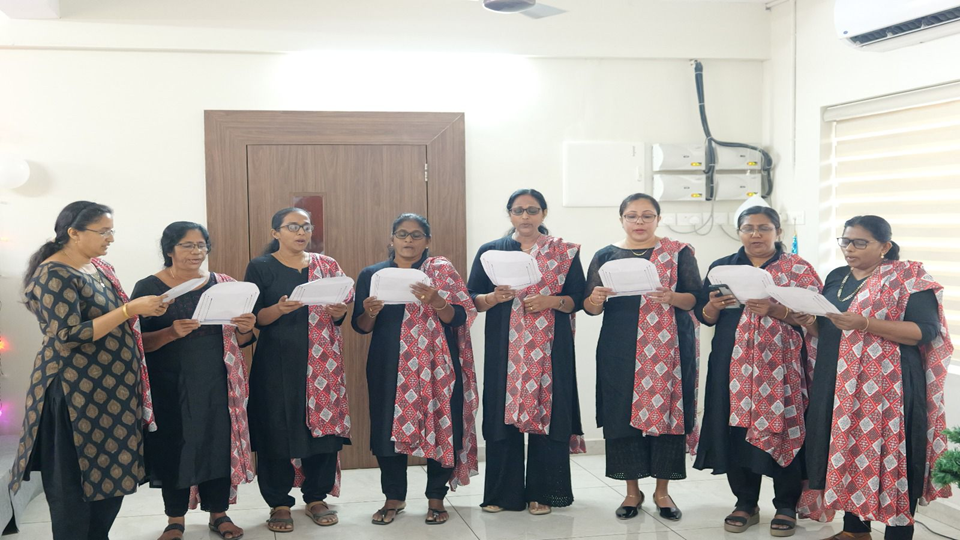
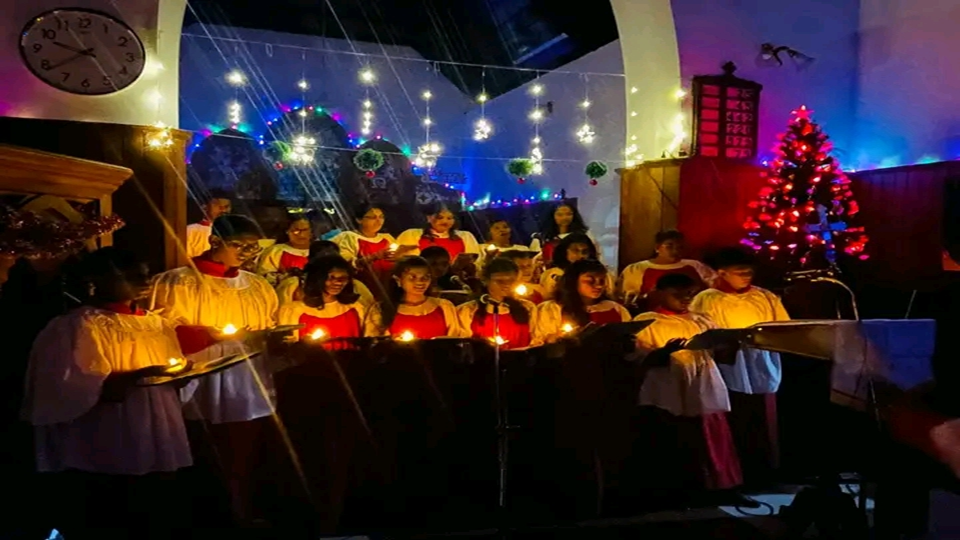
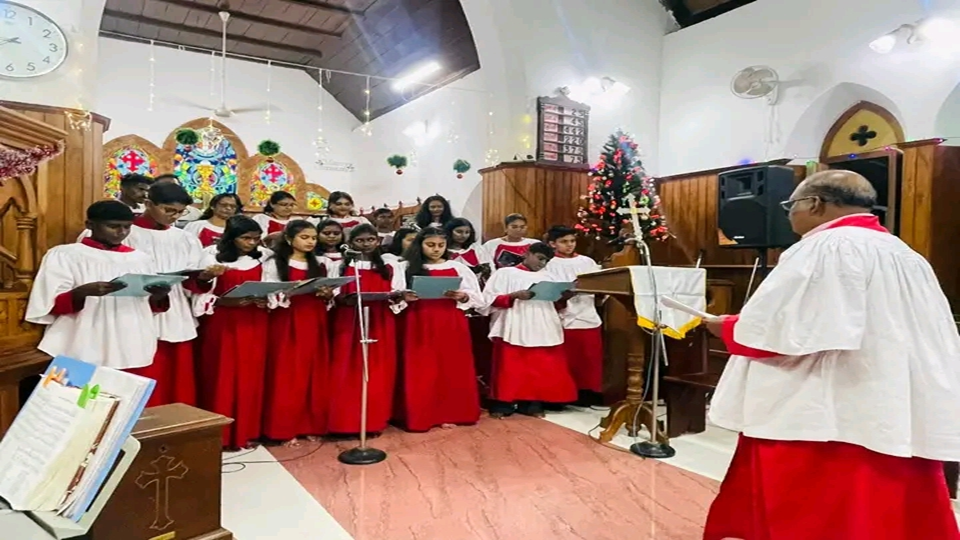
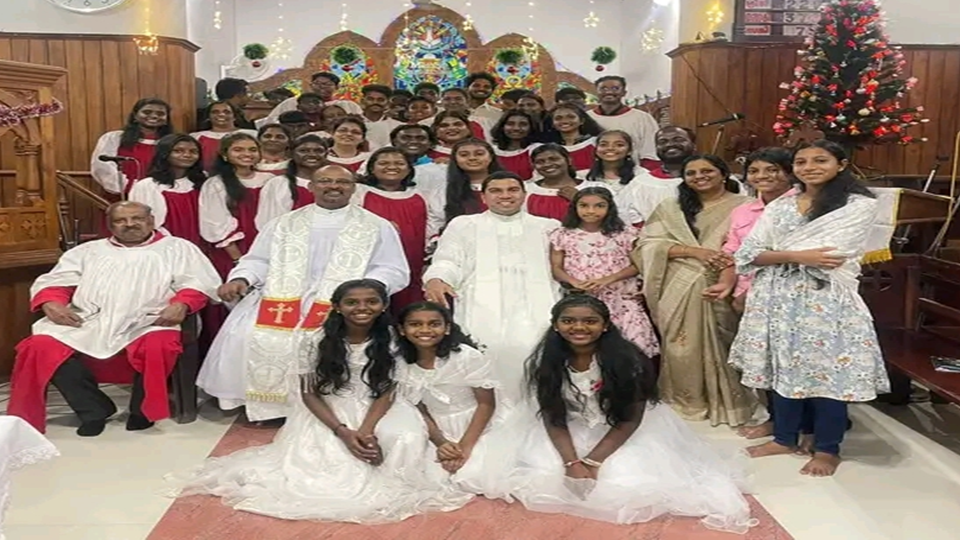
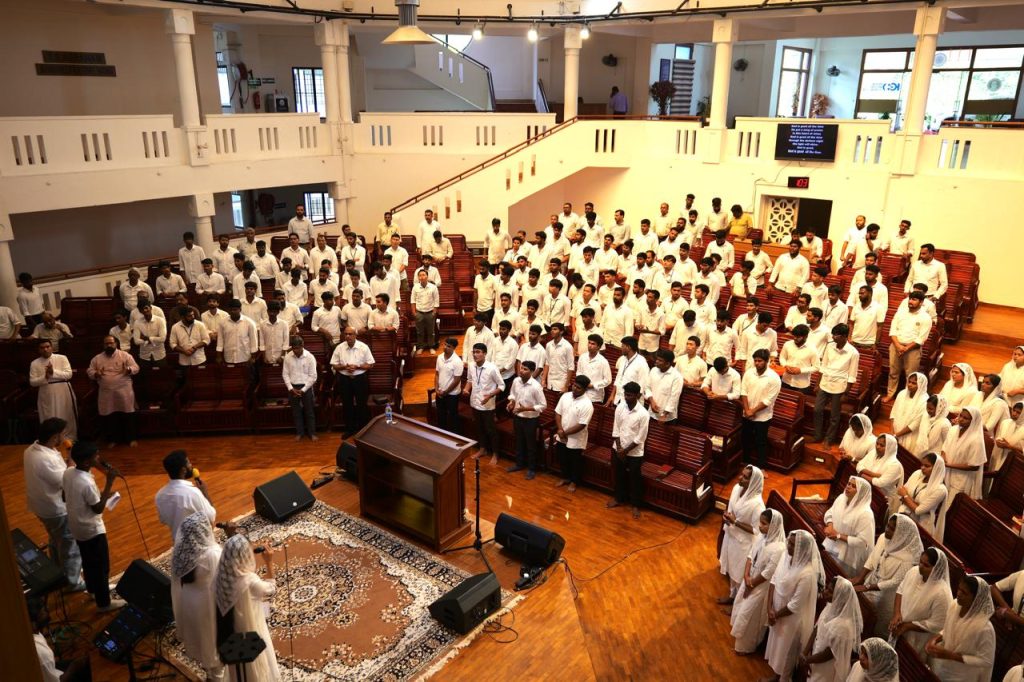
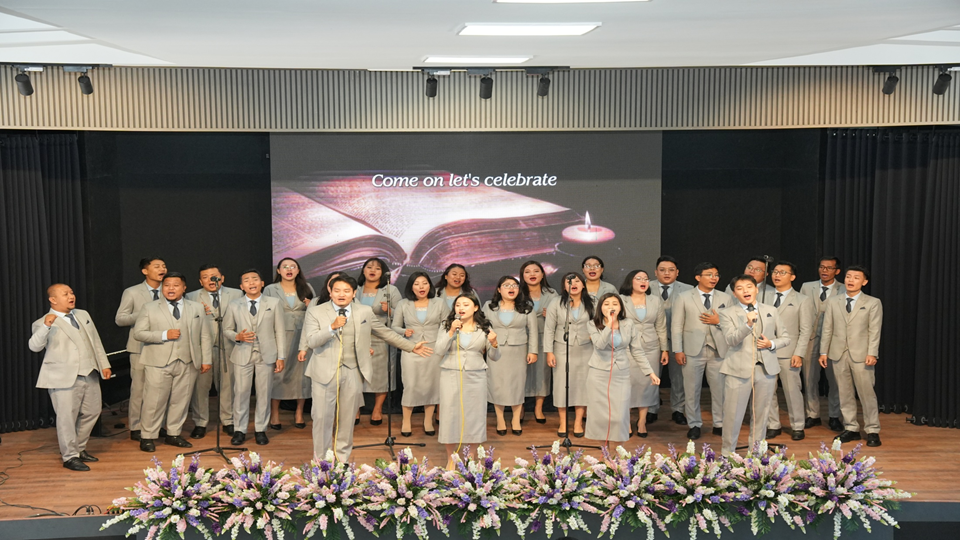
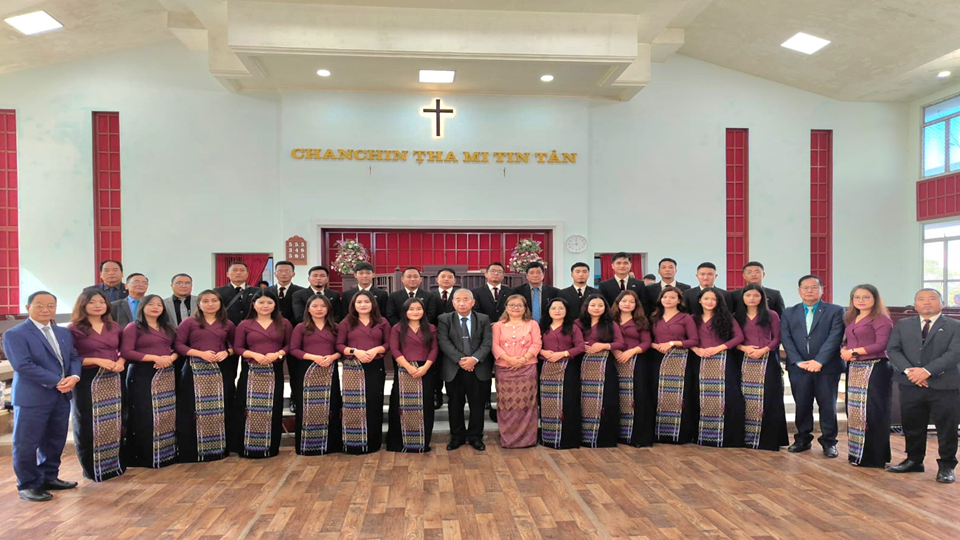
Inaugural Devotions and Guest Speakers: The Council was spiritually enriched by two eminent church leaders who addressed the gathering in alignment with the Council theme. The morning devotions on both days of the Council were deeply uplifting and spiritually enriching. The melodious ministry of the BESY Choir, specially invited from the Aizawl Auxiliary, created an atmosphere of reverence and renewal that gently prepared our hearts for the day’s deliberations.
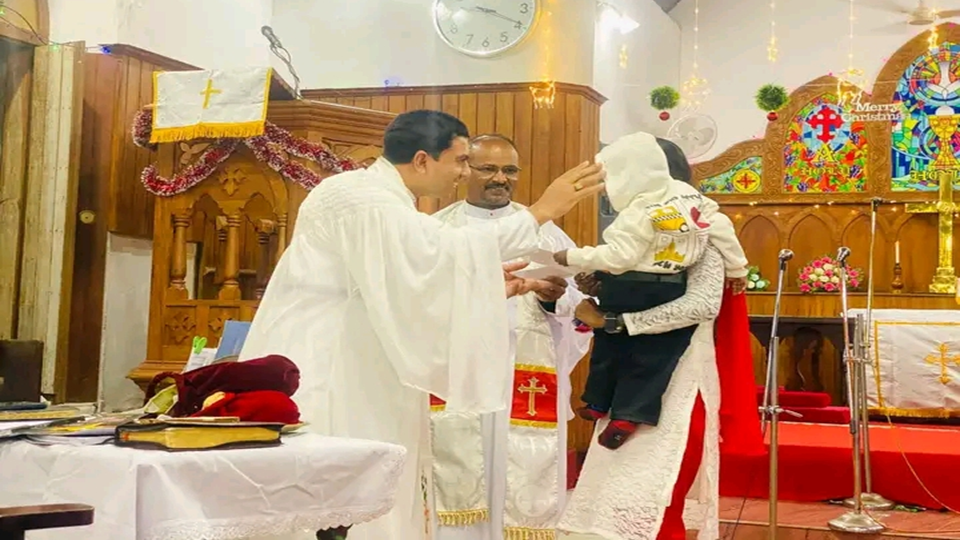
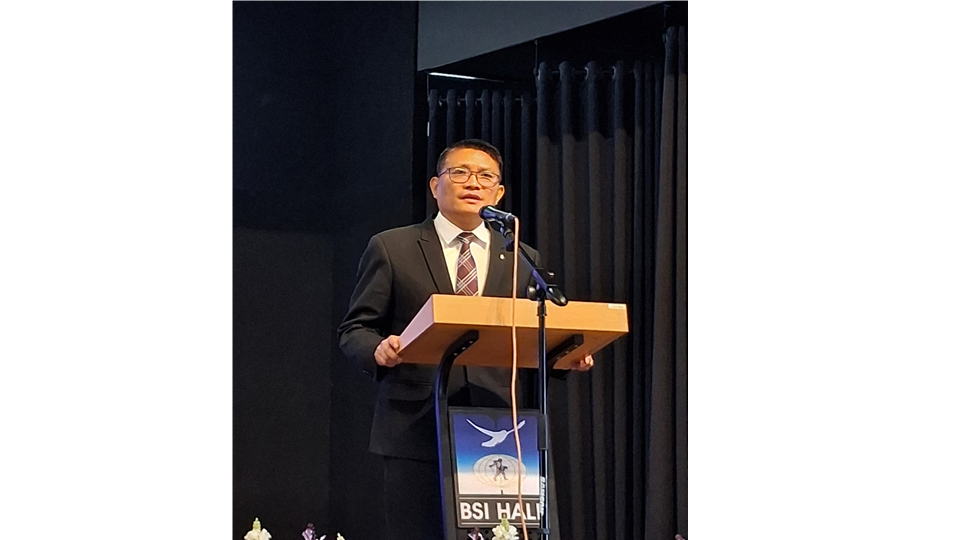
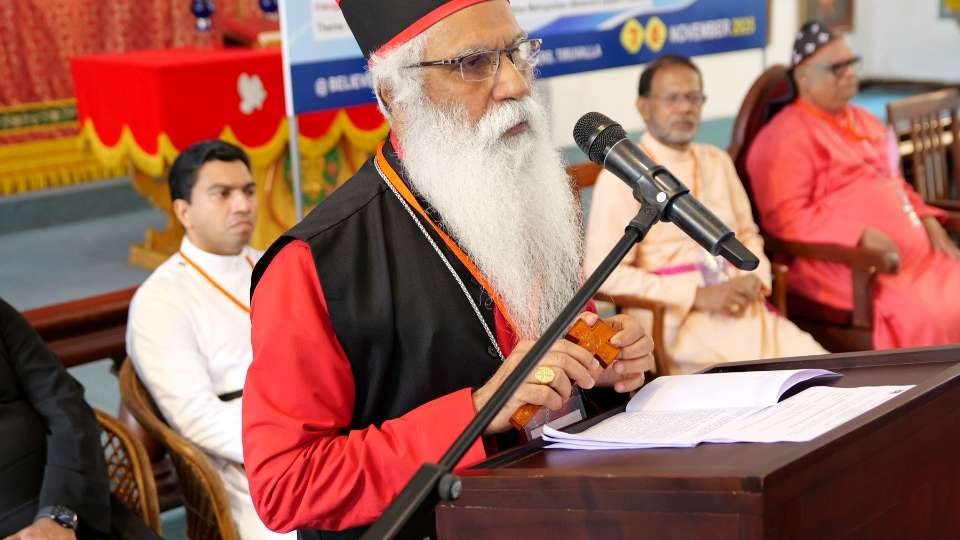
On 19 February (Morning) we have Rt. Rev. Dr. Vincent Vinod Kumar, Bishop of the Church of South India, Karnataka Central Diocese, who delivered a thought-provoking message, emphasizing the transformative power of God’s Word in today’s world. On 20 February (Morning) we have Most Rev. Dr. Peter Machado, Archbishop of the Bangalore Diocese, who inspired the Council with his reflections on the universal relevance of Scripture and the Church’s responsibility in making God’s Word accessible to all. Their messages deeply resonated with the Council and strengthened the collective vision of BSI.
Fraternal Greetings: The Council gratefully received warm greetings from esteemed church leaders such as Rev. Asir Ebenezer, General Secretary, National Council of Churches in India, Rev. Dr. Namseng R. Marak, General Secretary, Council of Baptist Churches in North East India, Rev. Dr. A. Joshuva Peter, Executive Secretary, United Evangelical Lutheran Churches in India and the Most Rev. Dr. Paritosh Canning, Moderator, Church of North India. Their messages affirmed ecumenical solidarity and partnership in Bible ministry.
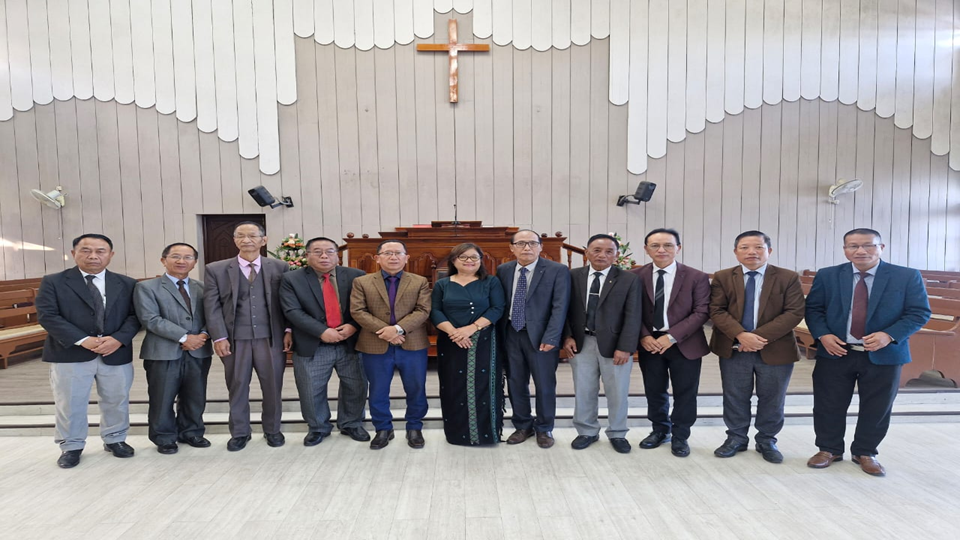
Leadership Continuity: The Council noted with appreciation that there were no changes in the key Council Officers, Rev. Dr. (Mrs.) Leelavathi Vemuri – the President, Rev. Dr. Bijaya Kumar Pattnaik, the Vice President, Mr. Deepak Goerge Pothan – the Treasurer and Rev. Dr. Kavito G. Zhimo, the General Secretary continue to serve, ensuring continuity, stability, and sustained leadership for the forthcoming triennium.
Constitutional and Policy Decisions: A significant milestone of the Council was the smooth adoption of the revised Constitution. In addition, several important policies were adopted and approved, such as – POSH Policy (Prevention of Sexual Harassment), Vehicle Policy and Anti-Bribery Policy. These decisions reflect BSI’s commitment to good governance, transparency, accountability, and a safe working environment.
Presentation of the Triennial Report (2023–2026): The remarkable journey of BSI during the triennium 2023–2026 was comprehensively presented by the General Secretary, the Treasurer and Head of Departments such as – IBSTA, Translation, Publishing & Distribution, Church, Public Relations & Resource Mobilisation, Media, Communication & Information Technology. These presentations highlighted significant achievements, faithful stewardship, ministry expansion, and the continued impact of God’s Word across the nation.
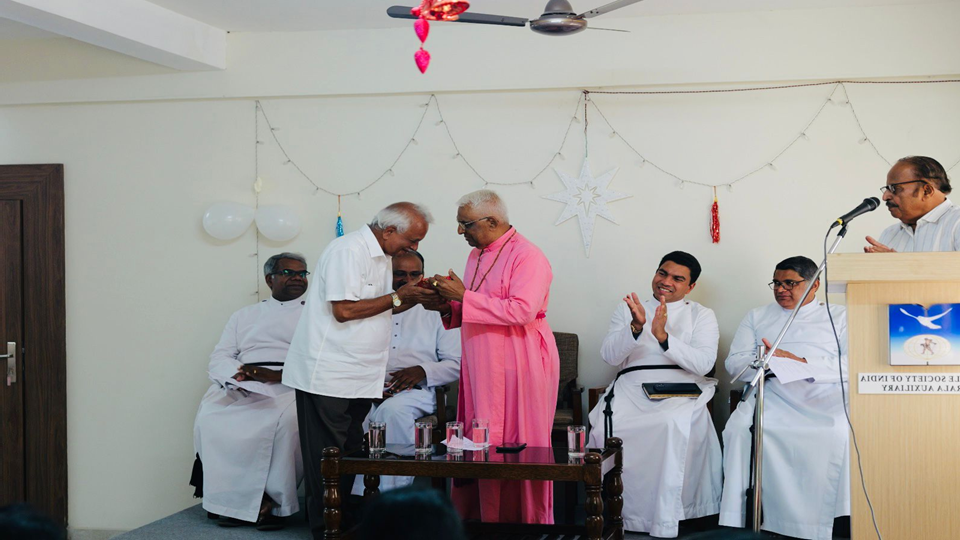
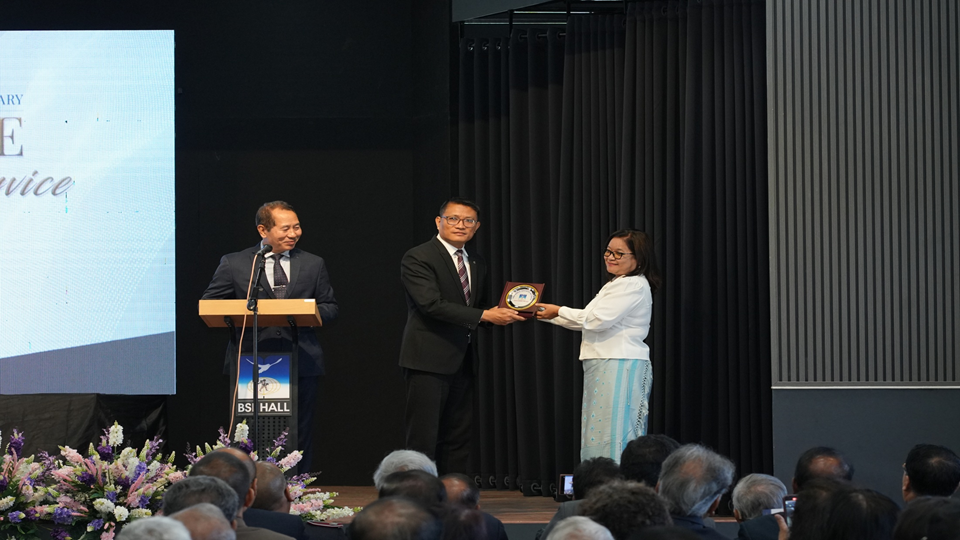
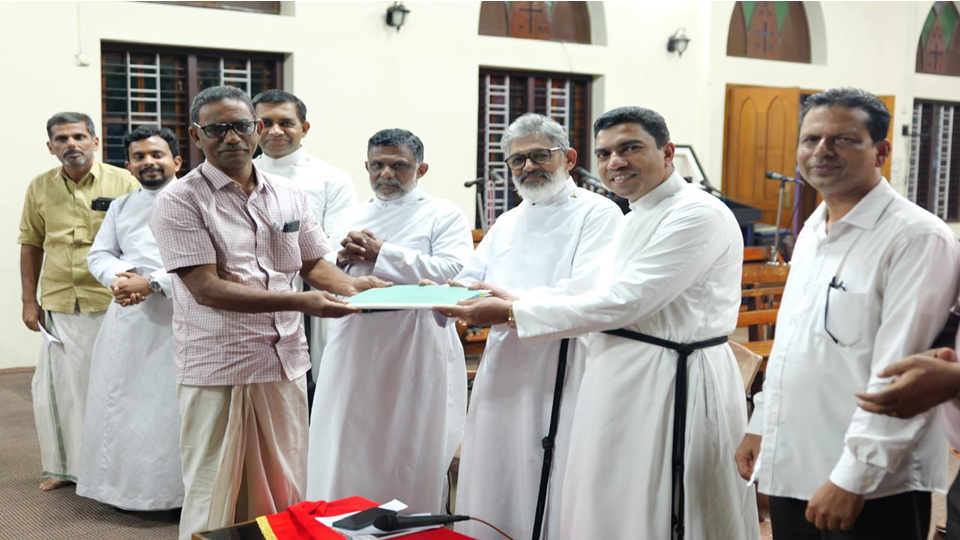
Triennial Awards: In recognition of outstanding performance among the Auxiliaries, the following awards were presented:
Award of Excellence:
Contributions – Aizawl Auxiliary; Distribution – Tamil Nadu Auxiliary,
Overall Performance is shared by two Auxiliaries, such as Andhra Pradesh Auxiliary and Kerala Auxiliary.
Appreciation Awards: The rest of the fourteen Auxiliaries were honoured with the Appreciation Awards in recognition of their dedicated service and contribution to the ministry.
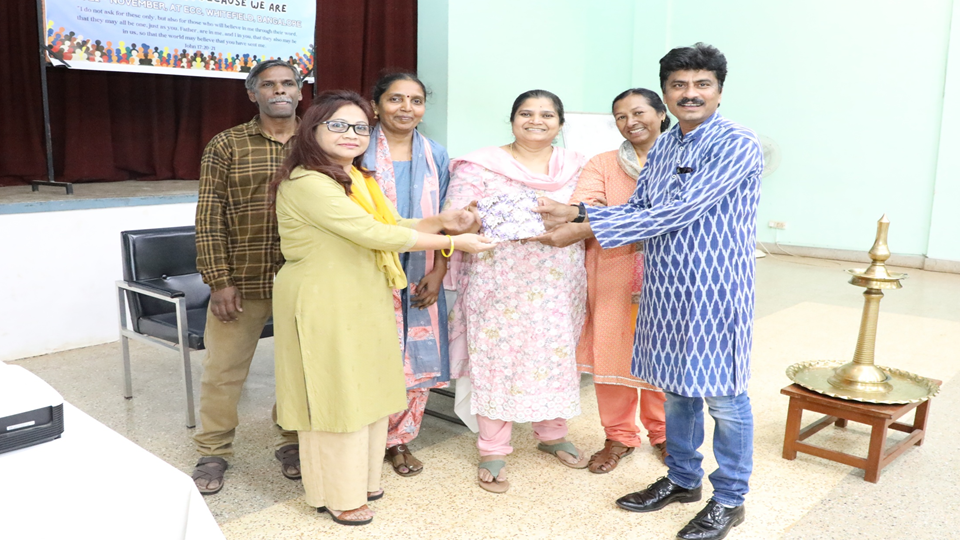
Award of Appreciation: A Certificate of Appreciation was awarded to Rev. Gershombhai Khristi, Auxiliary Secretary of the North West India Auxiliary, in recognition of his exemplary service as Pro-tem Auxiliary Secretary of Bombay Auxiliary from March 17, 2022 to October 1, 2023 and Pro-tem Auxiliary Secretary of Allahabad Auxiliary from October 10, 2023 to March 2026. Also for executing specific responsibilities in New Delhi on behalf of the Central Office, Bangalore. His dedication and willingness to serve extra assignments were deeply appreciated.
Scripture Engagement Recognition: In a historic move, for the first time in the BSI at the national level, Certificates of Appreciation were awarded to 235 individuals who demonstrated extraordinary Scripture engagement by hand-writing the entire Bible during the triennium period (2023–2026). This remarkable spiritual discipline stands as a testimony to deep devotion to God’s Word. We thank God for the 222 individuals from the Aizawl Auxiliary, 1 person from the Andhra Pradesh Auxiliary, 2 persons from the Dimapur Auxiliary, 2 persons from the Gujarat Auxiliary, 1 person from the Karnataka Auxiliary and 7 persons from the Kerala Auxiliary. May God continue to inspire more number of people across India in this exceptional way of engaging with the Holy Word of God in the days to come.
Conclusion: The Triennial Council 2026–2029 concluded with gratitude to God for His faithfulness and guidance. The theme, “God’s Word for God’s World,” served as a timely reminder of BSI’s sacred mandate to make the Word of God available, accessible, and affordable to every community. The Council reaffirmed its commitment to unity, good governance, ecumenical partnership, and faithful stewardship as BSI moves forward into the new triennium with renewed vision and dedication for God’s glory.
BSI @ 215 – A Celebration of Word, Worship and Witness!
Mary Jones Public Lecture & Ecumenical Celebration
20 February 2026 | Gayathri Vihar, Palace Grounds, Bengaluru
What a glorious evening! What a joyful milestone! What a faithful God!
The Bible Society of India joyfully celebrated its 215th Formation Day with a grand Ecumenical Gathering and the Mary Jones Public Lecture on the 20th February 2026 at Gayathri Vihar, Palace Grounds, Bengaluru. More than 500 invited guests gathered in unity, the church leaders, international Bible Society representatives, ecumenical partners, and friends of the Word – celebrating 215 years of God’s unfailing faithfulness.
A Spirit-Filled Beginning:

The celebration began with an electrifying Praise and Worship led by an awe-inspiring BESY Choir of the Aizawl Auxiliary. Their Spirit-led singing lifted hearts heavenward and filled the hall with joy, praise and thanksgiving. The atmosphere was alive with praise, a true reminder that “The Word of God is Living and Active!”
The Mary Jones Public Lecture – A Journey that Still Changes the World!

The highlight of the evening was the powerful Mary Jones Public Lecture delivered by Dr. Rosalee Velloso Ewell, Director of Church Relations, United Bible Societies, UK on a theme “A Journey that Changed the World: Mary Jones, the Bible Movement and Following Christ Today”. With passion and theological depth, Dr. Ewell reminded us that Mary Jones’ simple longing for a Bible ignited a global movement that continues to transform lives today. The message was clear and compelling. When people hunger for God’s Word, the world changes; When we follow Christ faithfully, history is rewritten. Her words resonated deeply with the gathering, rekindling BSI’s commitment to Scripture engagement beyond church walls – into the streets, into the margins, into the public square. In her lecture, Dr. Ewell reflected on a beautiful saying of Archbishop Thomas Melamparampil, then Archbishop of Guwahati in the late 1990s, who spoke about mission in Asia as “whispering the gospel to the Asian souls.” This phrase captures key elements of the character of Christian mission and Bible engagement. Whispering demands patient listening to the other, it requires us to know the diversity of our contexts and to establish relationships of mutual trust with the people and communities in which we find ourselves.

The lecture was academically responded well by Rev. Prof. Dr. C. I. David Joy, Principal, Kerala United Theological Seminary, Trivandrum. His scholarly reflections enriched the moment and grounded the message in theological clarity and missional urgency. Dr. Joy also reflected on important points to Dr Ewell’s lecture as Mary Jones’ story gave birth to the Bible movement guided by the Holy Spirit. The Bible movement in India has birthed – Literacy movements, Translation work in hundreds of languages and bringing Transformation of communities. The theme rightly moves beyond history while touching upon “Following Christ Today”, which is Contextual, Community-based and Costly at times.
Scripture in the Public Square: The Mary Jones Public Lecture Series was envisioned as BSI’s bold step into the public sphere, inviting everyone to encounter God’s Word – Beyond denominational lines, Beyond caste and creed, colours, cultures and beyond the “church gates” – Because God’s Word is for God’s World! This year marked the 4th Lecture in the series, following inspiring contributions from distinguished speakers since 2023. Each lecture has strengthened BSI’s resolve to engage society meaningfully with Scripture.
The Release of BSI Women Study Bible and Audio Bible:


It was also a special moment to release the BSI Women’s Study Bible, featuring study notes and resources designed to deepen engagement with Scripture. On the same occasion, we also launched the BSI Audio Bible in three languages—Sangtam, Kuki, and Nocte—which was prayerfully dedicated for use within the Church. We thank God for His grace and for all who contributed and worked diligently to make this possible.
A Global Family United in the Word:

The celebration echoed with greetings and blessings from esteemed leaders of National Bible Societies across Asia and beyond. Our eminent guests were Ms. Emi Beland, Head of Member Relations (Asia), UBS, Dr. Olubunmi Folasade Olayisade (BFBS Board member), Ms. Catherine Beel Badie (PVD Helpdesk – manager, German BS), Rev Dr. Ezekiel Tan, GS, Singapore BS, Rev. Kiyoshi Gushiken, GS, Japan BS, Rev Samuel, GS, Myanmar BS, Mr. Arjun Kapri, Executive Director, Nepla BS and Rev Priyantha Wijegoonawardena, GS, Ceylon VS. Messages of solidarity, partnership, and prayer poured in. This was more than an event. The staff of BSI central office along with the 17 Auxiliary Secretaries and the Karnataka Auxiliary staff have witnessed the blessings of God. It was a testimony that we belong to a global Bible movement, echoing – one Mission, one Word, one Lord!
A Festival of Faith and Culture:


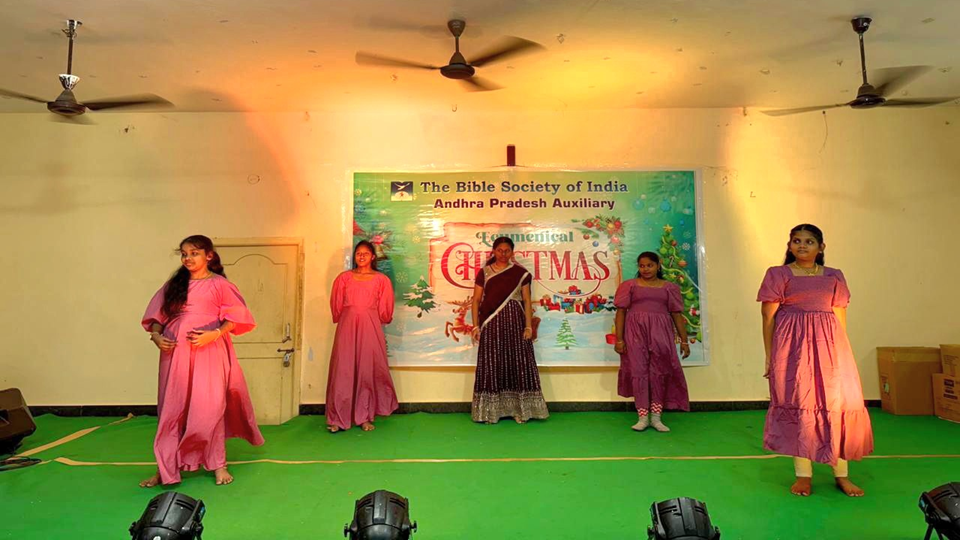
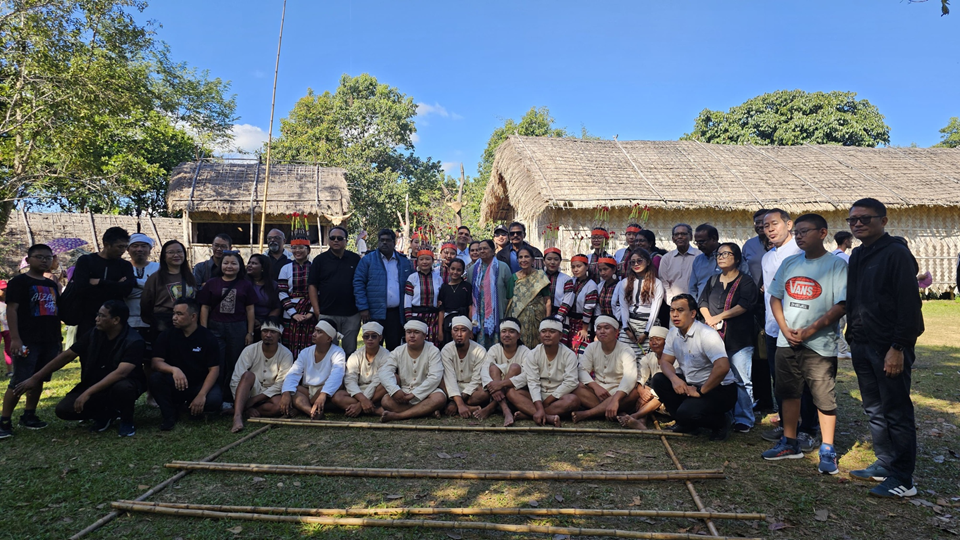
The evening sparkled with colour, rhythm, and cultural splendour! The breathtaking Mizo Cheraw (Bamboo) Dance by the BESY Choir captivated hearts. The vibrant South Indian classical performance by the Oxygen Dance Company of Karnataka celebrated the rich heritage of myth with colours of the land. Music, rhythm, and joyful movement filled the hall, a living expression of India’s beautiful diversity united in Christ. It was truly a celebration where culture met Scripture, and tradition danced with faith!
A Feast of Fellowship: The celebration concluded with a grand fellowship dinner featuring delightful cuisines from North to South India. Conversations flowed, friendships deepened, and gratitude overflowed.
A Heart of Gratitude:

With deep appreciation, BSI acknowledged Air Veteran Mr. M. O. Varghese (Treasurer of the Karnataka Auxiliary) and family, whose generous sponsorship made the entire evening with joy and celebration. Their act of dedication to the Bible ministry stands as a beautiful testimony of faithful stewardship.
215 Years and Still Marching On!
From humble beginnings to a nationwide mission …
From translation work to public witness …
From churches to the public square …
The Bible Society of India stands strong at 215 years, proclaiming – “God’s Word for God’s World!”. With renewed vision, joyful hearts, and unwavering commitment, BSI marches forward – until every hand holds the Scripture and every heart encounters Christ.
To God be all the glory!
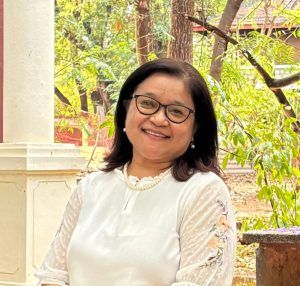 By Dr. Hrangthan Chhungi
A/D Church, Public Relations and Resource Mobilisation
“The Word That Carried Her”
A Living Testimony of Mrs. Lalthianghlimi


In the quiet hills of Mizoram, where the dawn mist rests gently upon the rooftops and the Word of God echoes through humble homes, there lives a woman whose life has become a living manuscript of faith – Mrs. Lalthianghlimi. Between 2015 and 2025, she handwrote the entire Bible in the Mizo language twelve times. Not once. Not twice. But twelve times – each word traced in ink, each verse watered with faith and tears, each page a prayer. For her, this was not mere copying. It was communion with God.
When God Spoke Through the Pages:
In the early days of her writing, during her first three manuscripts, the Scripture began to breathe into her own life story. As she wrote about the death of Moses, her pen slowed. The farewell of a leader, the grief of a nation standing at the edge of uncertainty – it pierced her heart. Through that passage, God revealed to her the deep pain of losing the head of a household. She felt the sorrow of Israel wandering without Moses. She wept bitterly over her pages, not knowing then how personally she would one day understand that loss.
Later, while writing about God as the Defender of widows and orphans, something shifted. The words were no longer distant theology; they became living promises. As she copied each line, she sensed the comforting presence of God surrounding her – a quiet assurance that even in abandonment, heaven draws near. Peace flowed into her spirit like gentle rain on dry land. The Word was already preparing her for a valley she had not yet entered.
The Valley of Shadows: On November 28, 2018, tragedy struck. Her beloved husband, Mr. Lalchhuanawma, only 54 years old, passed away after prolonged illness. Their second child was just one year old, still breastfeeding. She was in the midst of writing the Bible for the fourth time. Her heart, already weary, broke. Becoming a widow was not simply a change in status – it was a crushing weight. An unfinished house stood as a silent witness to interrupted dreams. Housing loans pressed heavily upon her shoulders. Two small children – a son and a daughter, looked to her for security and strength. Grief was her daily companion. Responsibility became her relentless shadow. And then came the mockery. Some financiers spoke publicly with cold laughter “Writing the Bible cannot turn those pages into repayment of loans.” Their words cut deep. What had been her sanctuary became, in the eyes of others, her foolishness. Devotion was mocked. Faith was ridiculed. Her sacred calling was treated as an escape from reality.
For nearly five years after the passing away of her beloved husband, she walked through intense anxiety and depression. Nights were long. Tears were many. Questions were heavy. She stood in a wilderness of sorrow, like Israel without Moses – a wounded heart carrying both Scripture and sorrow. Yet she did not stop writing. Clinging to the Word. Even when surrounded by mockers, she clung to God.
The Bible became her Tower of Shelter: Many a times, she would kneel beside her handwritten pages, sometimes weeping, sometimes laughing softly through tears, sometimes simply sitting in silence. She talked to God as to a faithful friend. She pressed her forehead against the open pages. She refused to surrender the pen. During her seventh manuscript in 2020–2021, God spoke again — this time with piercing clarity. Her eyes rested on Jeremiah 30:17: “But I will restore you to health and heal your wounds,’ declares the Lord, ‘because you are called an outcast, Zion for whom no one cares.’” “Outcast!” The word struck her. That was how she felt – forgotten, mocked, alone. But the promise was louder than the pain – I will restore you. I will heal your wounds. That day, the Scripture was no longer ink on paper. It was breath in her lungs. Strength returned to her weary spirit. Hope rose where despair had camped for years.
Guided by the Holy Spirit: In her suffering, the Holy Spirit became her Teacher. She then learned not only how to pray, but what to pray. With childlike honesty, she brought precise requests before God for Good health; strength to repay every loan; time and grace to continue writing God’s Word; provision for her children; peace in her restless mind. Her prayers were no longer vague cries, they were bold petitions anchored in promise. She believed that the God who hears is the God who acts. And step by step, God did.
The God Who Restores: Through the mercy of God and the loving support of family and friends, she began repaying her loans – little by little. What once seemed impossible slowly became testimony.
The unfinished house was completed gradually. Floors that once symbolized burden became sources of provision as she rented them to other families. The structure that stood as a monument to grief became a house of hope. Hardship turned into sustenance. Shame turned into dignity. Mockery turned into quiet admiration.
The Healing Touch: One evening, as she sat alone at home with a cup of tea, something extraordinary happened. A warmth flowed gently through her body – from head to toe. It was not dramatic. It was not loud. It was gentle, holy, undeniable. She knew. She was experiencing the healing touch of Christ. That same evening, she went to a nearby hospital for tests. For years, her blood pressure, hemoglobin, and sugar levels had been unstable – visible signs of internal stress and prolonged sorrow. But this time, every reading was normal. Balanced. Restored. She did not receive it as coincidence. She received it as covenant faithfulness – the fulfillment of Jeremiah 30:17 “I will restore you to health and heal your wounds.”
A Living Manuscript: Today, Mrs. Lalthianghlimi stands not merely as a widow who survived, but as a woman refined by Scripture. Twelve times she has written the Bible by hand in ten years. Twelve journeys through Genesis to Revelation. Twelve pilgrimages through promise and prophecy. Twelve encounters with the Living Word. Her son and daughter have grown up watching their mother bow over sacred pages – learning that faith is not an escape from hardship, but a lamp within it. Her life proclaims what her pen has written countless times:
The Word of God is alive.
The Word of God heals.
The Word of God sustains.
The Word of God restores.
What financiers once mocked as useless pages became the very foundation that upheld her life. The Bible was not a distraction from her struggle. It was her shelter in the storm. Her strong tower. Her companion in the valley. Her song in the night.
Mrs. Lalthianghlimi’s story is not merely about handwriting Scripture. It is about Scripture handwriting her life. And in every line she has written, one truth shines brighter than all – The God who speaks through His Word is the God who walks with His children — through grief, through shame, through poverty, through illness – and into restoration.
(an interview through a telephonic conversation with Mrs. Lalthianghlimi aka Mathiangi by Dr. Hrangthan Chhungi on January 30 at 1:47 pm for about One Hour)