BSI E-NEWSLETTER May 2026

The Resurrection Aftermath – A Journey of Faith in Christ
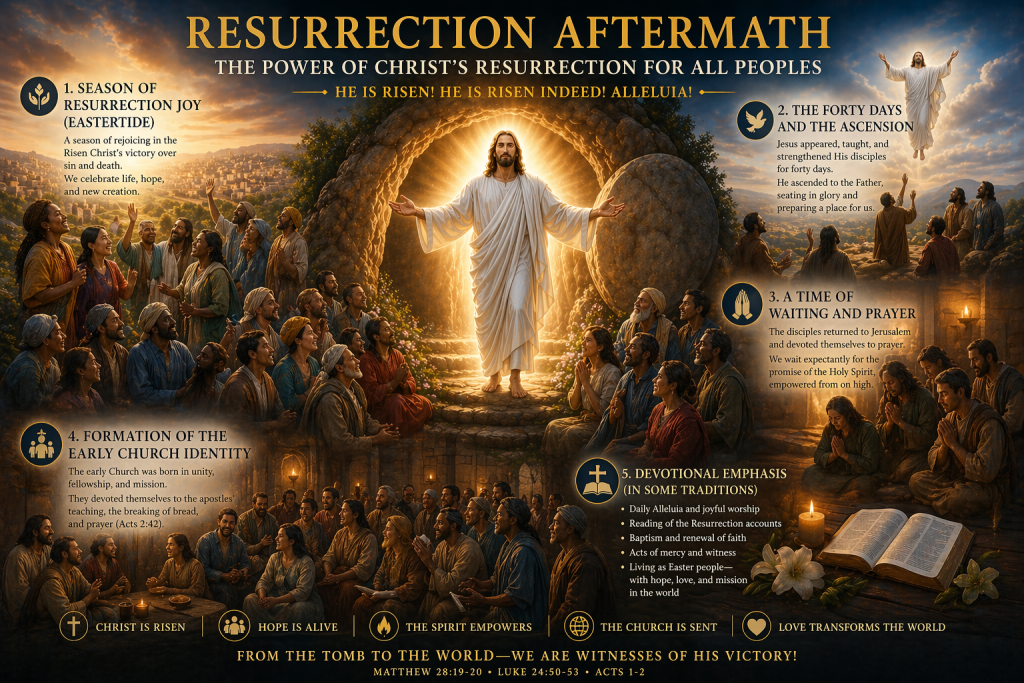
The Resurrection of Jesus Christ grants new life to all who believe in Him. It stands as one of the central tenets of Christianity, deeply shaping our very existence and faith. As the Apostle Paul writes in 1 Corinthians 15:14, “And if Christ has not been raised, our preaching is useless and so is your faith,” and again in verse 17, “And if Christ has not been raised, your faith is futile; you are still in your sins.” These words affirm the foundational importance of the Resurrection. The significance of Christ’s Resurrection can be expressed in many ways, each enriching our lives and guiding our spiritual journey as believers in Him.

  1. Season of Resurrection Joy (Eastertide)

Following the celebration of Easter, the Church enters a sacred 50-day season of rejoicing that continues until Pentecost. This period, often spanning April and May, is known as Eastertide—a time filled with joy, reflection, and renewed faith.

Eastertide is a season of hope and renewal, reminding us that through the resurrection of Christ, new life is always possible. It reassures us that even in difficult times, God’s grace is at work, restoring and renewing our hearts and lives.

It is also a celebration of victory over death. The resurrection proclaims that Christ has triumphed over the grave, offering the promise of eternal life. This victory fills the Church with joy and strengthens our faith to live courageously.

Finally, Eastertide calls us to reflect on the risen life of Christ. As we remember His appearances and teachings after the resurrection, we are invited to live as witnesses of His love, sharing peace, hope, and compassion in our daily lives.


  1. The Forty Days and the Ascension

Within the joyful season following Easter, the Church remembers Ascension Day, observed forty days after the resurrection, when Jesus ascended into heaven (Acts 1). This sacred moment carries deep meaning for our faith.

The Ascension marks the completion of Christ’s earthly ministry, as His mission of teaching, redemption, and victory over death reaches its fulfillment. His work on earth is accomplished, revealing God’s plan of salvation in its fullness.

It also points to His exaltation and reign with the Father. Christ is lifted in glory, seated at the right hand of God, affirming His divine authority and ongoing reign over all creation. This assures believers that our Lord is sovereign and ever-present.

Finally, the Ascension prepares believers for the coming of the Holy Spirit. As Jesus promised, His departure makes way for the Spirit to come, empowering the Church for witness, service, and mission in the world.


  1. A Time of Waiting and Prayer

The days between Ascension Day and Pentecost hold deep spiritual meaning, recalling how the disciples gathered in prayerful anticipation as recorded in the Acts of the Apostles chapter 1 and 2.

This sacred interval invites the Church into expectant waiting, a posture of hope and trust in God’s perfect timing. It is also a season of spiritual preparation, calling believers to quiet reflection, unity, and renewed faith. Above all, it teaches dependence on God’s promise, reminding us that just as the disciples awaited the Holy Spirit, we too are sustained and empowered by God’s faithful provision.

  1. Formation of the Early Church Identity

In the season following Ascension Day and leading to Pentecost, the Church reflects on a profound transition, from Christ’s physical presence to the indwelling presence of the Holy Spirit. This marks the birth and identity of the early Church.

It affirms that the mission of the Church continues through the Holy Spirit. Though Christ ascended, His work did not end; instead, it was entrusted to His followers, empowered and guided by the Holy Spirit to carry the Gospel to all nations. It also reminds us that believers are called to witness and service. Every Christian is invited to live out their faith actively, proclaiming Christ through word and action, serving others with love, and becoming instruments of God’s grace in the world.

  1. Devotional Emphasis (in some traditions)

In several Christian traditions, this season is cherished as a time of deeper prayer, reflection, and devotion. It invites believers into a quiet rhythm of seeking God, nurturing an attentive heart, and growing in spiritual discipline.

This season also highlights the virtues of humility, obedience, and discipleship, calling Christians to follow Christ more faithfully in everyday life. It is a time to listen, learn, and respond to God’s Word with openness and commitment.

For the ministry of Scripture Engagement within the Bible Society, this emphasis beautifully aligns with the call to encounter God through God’s Word. As individuals and communities engage with the Scriptures, they are transformed inwardly, growing in faith, deepening in spiritual maturity, and being equipped to live out the Gospel.

May this season inspire us to renew our devotion to God’s Word, fostering both personal spiritual growth and a vibrant, Scripture-centered community. This season before Pentecost, is not just a waiting period, it is a bridge between resurrection and mission. It invites believers to move from celebrating Christ’s victory to preparing for Spirit-empowered witness.

By Dr. Hrangthan Chhungi 
Director Church, Public Relations and Resource Mobilisation

North West India Auxiliary

Partners Appreciation Program Report
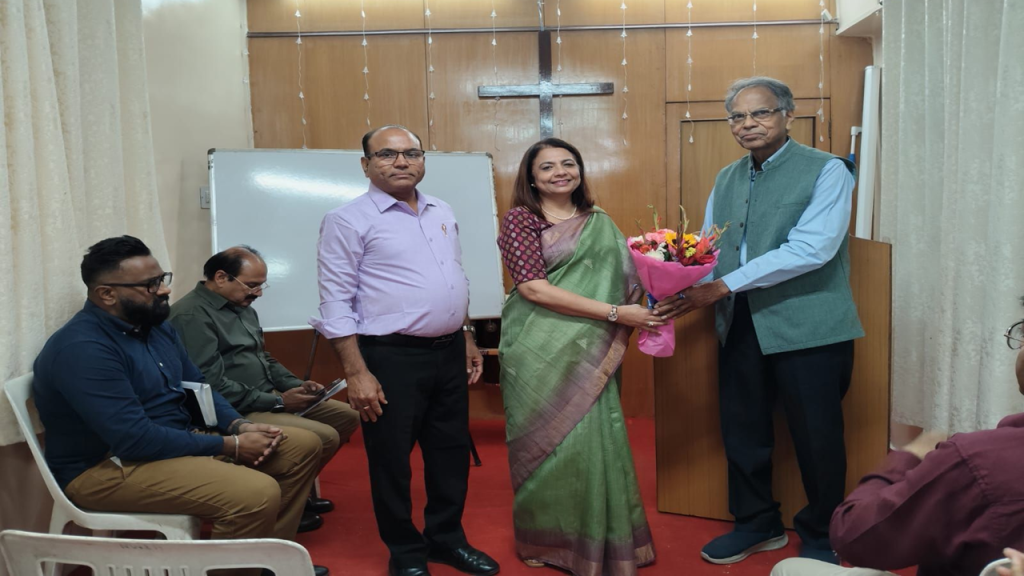
“Let us not become weary in doing good, for at the proper time we will reap a harvest if we do not give up.” (Galatians 6:9)

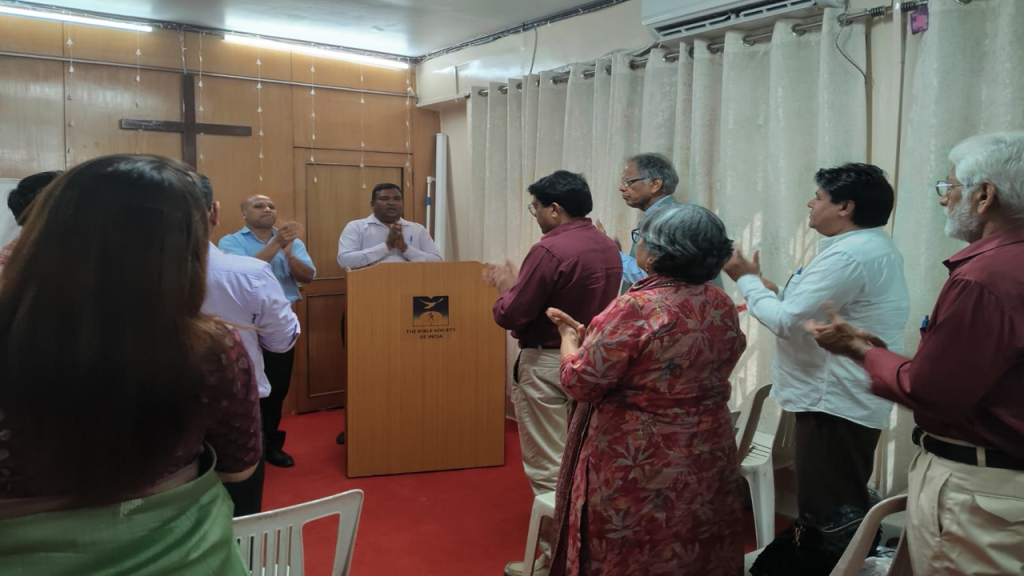
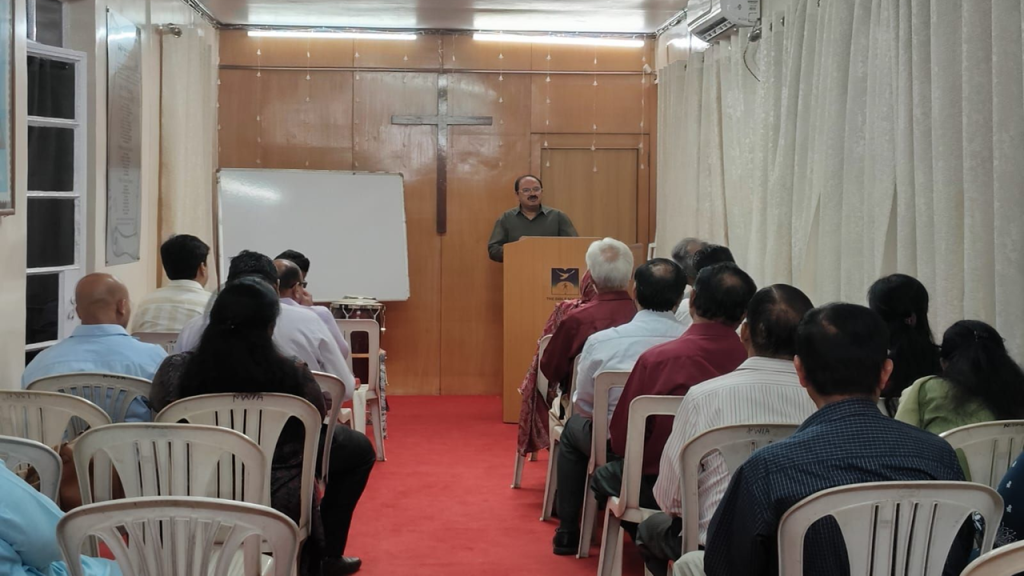
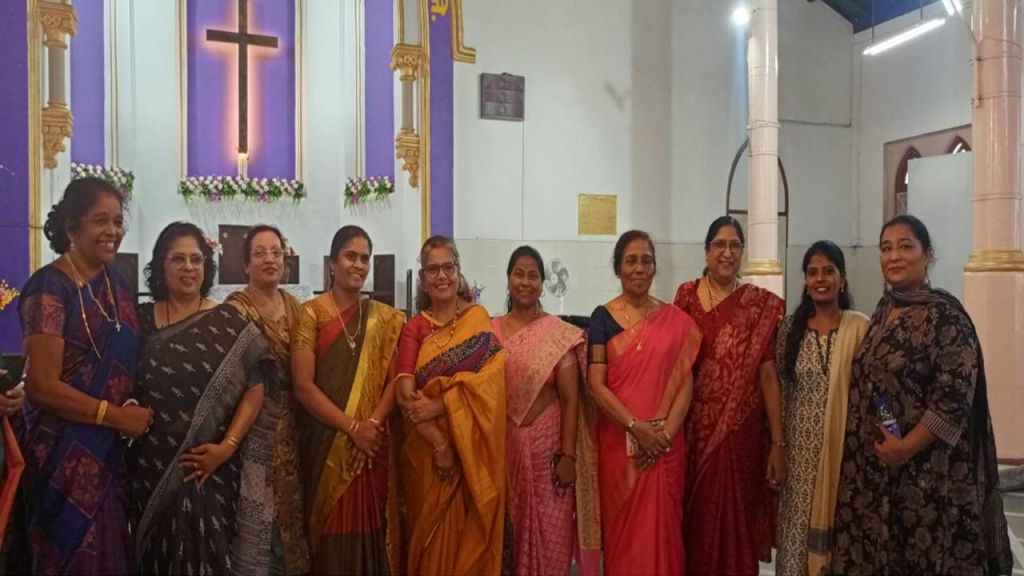
The Partners Appreciation Program was successfully held on 14 April 2026 (Tuesday) with the participation of around 35 long-standing partners associated with BSI, NWIA for over 45 years. These partners have faithfully supported the ministry through Bible Sunday initiatives in the North West Region, regular prayers, and annual contributions. The program aimed to honour and appreciate their commitment and dedication. The gathering was marked by joy, gratitude, and encouragement. A meaningful session was led by Mr. Rathore, the senior-most partner, who encouraged continued faithful service and shared insights on presenting BSI ministry across denominations.

We were also blessed by encouraging reflections from Mr. Anand Sahai (Meerut, UP) and Mr. Arun Masih (Chandigarh), who emphasized the importance of thoughtful and well-prepared engagement during Bible Sunday presentations. The partners’ sharing session further highlighted their deep commitment and valuable suggestions for the ministry. The appreciation segment was the highlight, where Rev. Gershombhai Khristi, Auxiliary Secretary, BSI NWIA, honoured each partner for their faithful service. The program concluded on a note of gratitude and fellowship, strengthening bonds and reaffirming our shared mission. We sincerely thank all partners for their unwavering support and look forward to continuing this journey together in faith, unity, and service.

By Rev. Gershombhai Khristi, NWI Auxiliary Secretary.

Bombay Auxiliary

Women’s Day Meeting:
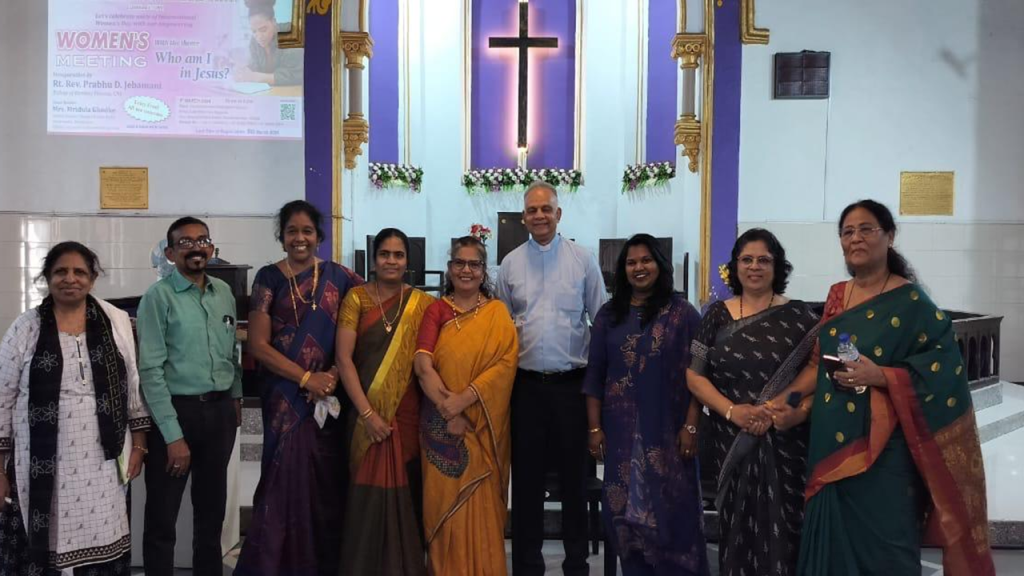
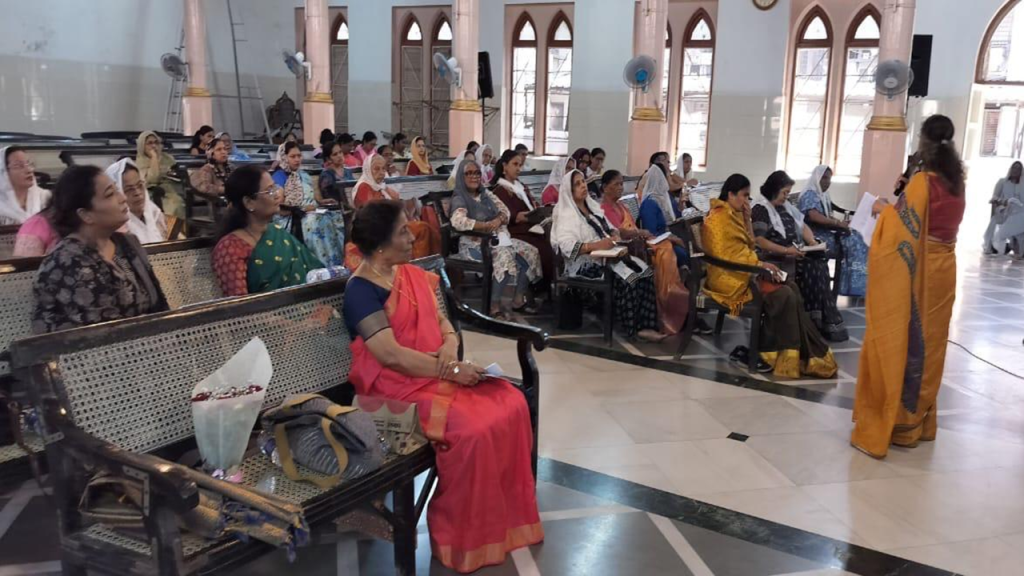
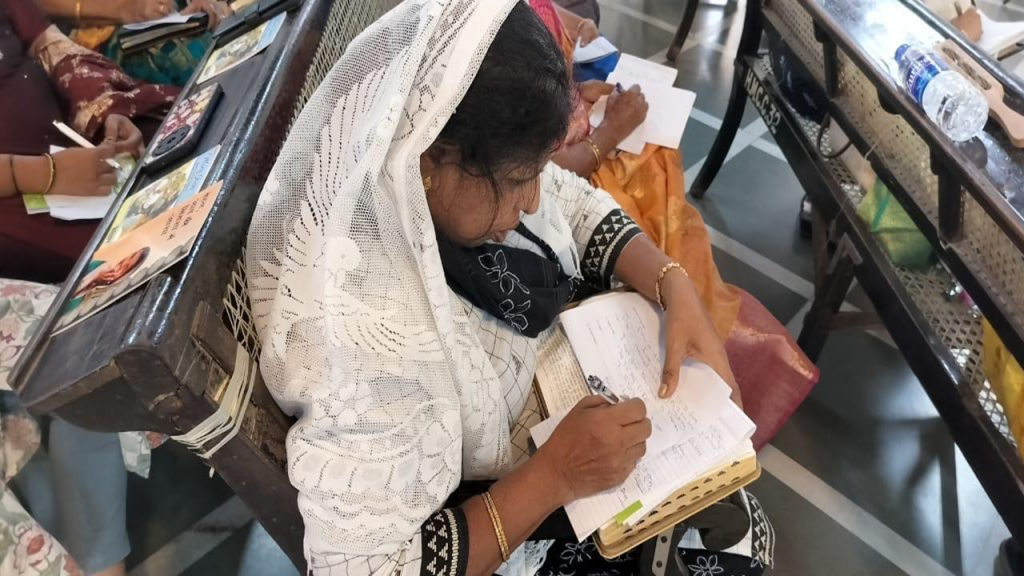
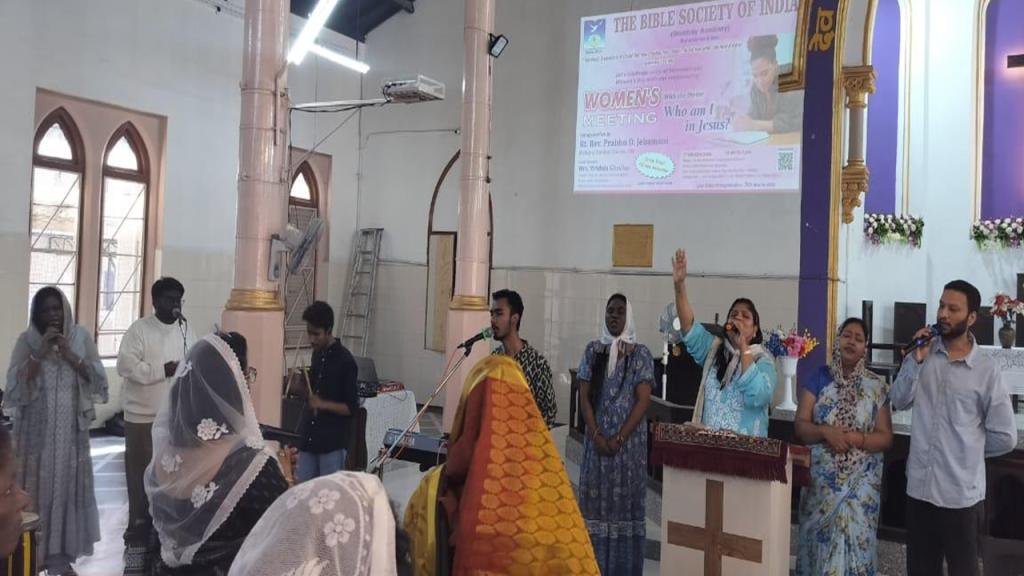
A Women’s Day meeting was held with great enthusiasm at the Hume Memorial Congregation Church on 7 March 2026, bringing together women from churches across Mumbai for a time of reflection, fellowship, and spiritual enrichment. The program was to be inaugurated by Rt. Rev. Prabhu D. Jebamani, Bishop of the Bombay Diocese, who was unable to attend due to unavoidable circumstances. In his absence, Mrs. Jebamani graciously represented him, inaugurating the meeting and conveying his greetings and blessings.

Mrs. Mridula Ghodke, Executive Member of BSI, delivered an inspiring message on the theme, “Who Am I in Jesus?”, encouraging women to reflect on their identity in Christ and to live with purpose and faith. The meeting was conducted in two sessions, with lunch served in between and snacks following the second session. The gathering concluded with a warm time of fellowship. As a special gesture, each participant was presented with a rose by the BSI staff. Overall, the event was a meaningful and enriching experience, fostering unity, encouragement, and renewed faith among the women.

By Rev. Clement M. Christian, Bombay Auxiliary Secretary

Read more

NEWS FROM THE UBS

Cook Islands Maori Bible Reformatted to Ensure its Future (Adapted from media reports and summaries provided by Bible Society New Zealand)

Launched in February at a dedication service in the New Zealand capital of Auckland, the Cook Islands Māori Bible – Te Bibilia Tapu Ra – has been reformatted to cement its influence in the local communities into the future.

Bible Society New Zealand (BSNZ) identified the need to update the 1972 edition of the Cook Islands Māori Bible due to ageing printing plates and oversaw its digitisation and reformatting to ensure the text remains accessible to future generations. Supported and initiated by BSNZ, Rev. Robert Robati-Mani and his late wife Marina began working on the Bible reformatting in 2018. The project included digitising the entire text, correcting typographical errors, and strengthening consistency throughout the publication.

By digitising the text, the full Bible can now be made available online, greatly improving accessibility for local communities and the diaspora. The typesetting was performed by Amity Printing Company, and the project was financially supported by BSNZ.

Dedication Service in Auckland: On February 28, the Pacific Islands Presbyterian Church in Auckland hosted the dedication service, led by the Cook Islands Religious Advisory Committee New Zealand. Among the special guests were His Excellency the King’s Representative from the Cook Islands, Sir Tom Marsters and Lady Marsters.

At the dedication service, Rev. Robati-Mani said: “The Bibilia Tapu remains one of the greatest resources for strengthening and sustaining our Māori language.” Special acknowledgement was given to BSNZ Translation Consultant Dr Clare Knowles during the dedication service for her significant contribution, particularly in finalising the typesetting of both the New and Old Testaments.

By Simeon Lawson, Communications Strategist, Fellowship Effectiveness, United Bible Societies, UK

Read more

BSI E-NEWSLETTER April 2026

Theme: Servanthood in Action – Lessons from Jesus Washing the Disciples’ Feet (John 13:1–17)

In the Gospel of John, chapter 13 presents one of the most profound and countercultural acts of Jesus Christ, the washing of His disciples’ feet. This act, simple in appearance yet deep in meaning, continues to challenge and shape our understanding of discipleship today.

A Theological Reflection:

The setting is significant. On the eve of His suffering, during the Passover meal, Jesus, fully aware of His divine authority and mission – chooses to take the role of a servant. In the cultural context of first-century Palestine, foot washing was the task of the lowest servant. Yet, the Master stoops down, wraps a towel around His waist, and begins to wash the feet of His disciples. This act reveals the very heart of God – humility, love, and self-giving service. Jesus declares: “Now that I, your Lord and Teacher, have washed your feet, you also should wash one another’s feet” (John 13:14). Here, discipleship is redefined – not as power, position, or prestige, but as humble service. The Kingdom of God overturns human hierarchies. True greatness is found in serving with absolute humility.

Peter’s Struggle – Our Struggle:

When Jesus approaches Peter, Peter resists: “You shall never wash my feet.” His reaction reflects a deeply human discomfort. If we imagine our own context, what if a boss in our office or our Pastor in the Church knelt down to wash our feet? Most of us would feel exactly like Peter. It would seem inappropriate, uncomfortable, even unacceptable. Why? Because our understanding of authority is often tied to status, not service. Yet Jesus insists, “Unless I wash you, you have no part with me.” This reminds us that discipleship begins with receiving Christ’s humble love before we can extend it to others and a true leadership also begins with serving others and giving the best what we can.

A Personal Encounter with Humility:

Fourteen years ago, during my ministry in a Bhattarahalli Village in Andhra Pradesh, I experienced something that brought this passage to life in a powerful way. My first and only experienced in life. Before the Church service began, a group of church women approached me with a basin of water, while I was standing at the entrance of the Church. To my surprise, they expressed their desire to wash my feet. Immediately, I hesitated. I felt deeply uncomfortable and unworthy. I thought to myself, “I am not a great person. I am not someone for whom others should wash my feet.” I tried to resist, but their love and insistence left me unable to refuse. As they gently washed my feet, I felt something shift within me. I felt small, not in a negative sense, but in a humbling, sacred way. It was a moment of deep reflection. In that experience, I began to understand Peter’s reaction more personally. I also began to grasp the depth of what Jesus was teaching. True humility is not only in serving others but also in allowing ourselves for others to express and show their love.

Practical Implications for Discipleship Today:

  1. Humility as the Core of Leadership: Christian leadership is not about authority or recognition but about serving others selflessly and humbly. Whether in the church, workplace, or society, we are called to lead by example, through humility and love.
  2. Breaking Social Barriers: Jesus crossed boundaries of status and dignity. Today, discipleship calls us to break barriers of caste, class, ethnicity, gender and position, affirming the dignity of every individual.
  3. The Courage to Receive: Like Peter, we often resist being a recipient. Yet discipleship also means receiving grace with humility. Accepting help, love, and care from others is part of God’s transforming work in us.
  4. Embodied Faith: Foot washing is not merely symbolic. It represents practical, everyday acts of kindness – serving the needy, caring for the marginalized, and showing compassion in tangible ways.
  5. A Lifestyle, not a Ritual: The question is not whether we literally wash feet as ritual, but whether we live out the spirit of this act daily. Are we willing to humble ourselves for the sake of others?

A Call to Reflection

Jesus concludes this act with a powerful statement, “Now that you know these things, you will be blessed if you do them” (John 13:17). The blessing lies not in understanding alone, but in practice. As we reflect on this passage, we are invited to ask ourselves:

  1. Are we willing to serve without seeking recognition?
  2. Can we accept humility in both giving and receiving?
  3. How can we embody Christ’s love in our daily lives?

The washing of the disciples’ feet is not just a story from the past, it is a living call to discipleship today. It challenges us to reimagine greatness, to embrace humility, and to serve with love. May we, as followers of Christ, not only remember this act but live it out in our homes, churches, and communities.

“True discipleship begins at the feet of others.”

By Dr. Hrangthan Chhungi 
A/D Church, Public Relations and Resource Mobilisation

NEWS FROM THE UNITED BIBLE SOCIETIES

Cook Islands Maori Bible Reformatted to Ensure its Future (Adapted from media reports and summaries provided by Bible Society New Zealand)

Launched in February at a dedication service in the New Zealand capital of Auckland, the Cook Islands Māori Bible – Te Bibilia Tapu Ra – has been reformatted to cement its influence in the local communities into the future.

Bible Society New Zealand (BSNZ) identified the need to update the 1972 edition of the Cook Islands Māori Bible due to ageing printing plates and oversaw its digitisation and reformatting to ensure the text remains accessible to future generations. Supported and initiated by BSNZ, Rev. Robert Robati-Mani and his late wife Marina began working on the Bible reformatting in 2018. The project included digitising the entire text, correcting typographical errors, and strengthening consistency throughout the publication.

By digitising the text, the full Bible can now be made available online, greatly improving accessibility for local communities and the diaspora. The typesetting was performed by Amity Printing Company, and the project was financially supported by BSNZ.

Dedication Service in Auckland: On February 28, the Pacific Islands Presbyterian Church in Auckland hosted the dedication service, led by the Cook Islands Religious Advisory Committee New Zealand. Among the special guests were His Excellency the King’s Representative from the Cook Islands, Sir Tom Marsters and Lady Marsters.

At the dedication service, Rev. Robati-Mani said: “The Bibilia Tapu remains one of the greatest resources for strengthening and sustaining our Māori language.” Special acknowledgement was given to BSNZ Translation Consultant Dr Clare Knowles during the dedication service for her significant contribution, particularly in finalising the typesetting of both the New and Old Testaments.

By Simeon Lawson, Communications Strategist, Fellowship Effectiveness, United Bible Societies, UK

Read more